When a coat or a lined blazer needs altering, the quote sometimes surprises people in Mint Hill: why should a jacket take more time than a pair of trousers with the same adjustment on paper? The answer is inside the garment, literally. A lined coat is not one layer of clothing but three, an outer shell, a lining, and between them a hidden architecture of interfacing, padding, and seams that gives the garment its shape. Altering it means opening that architecture, working, and rebuilding it so the coat still hangs the way it did.
This guide works the way a tailor diagnoses a lined garment: symptom by symptom, what is actually going on inside, and which parts are reasonable at home and which need the worktable.
What is inside a lined garment
The shell is the fabric you see. The lining is the smooth fabric inside, which lets the coat slide over sweaters and protects the shell from wear. Between them, better garments carry interfacing in the chest and collar, shoulder pads or sleeve heads that shape the shoulder line, and seams finished so nothing rubs. The lining is usually attached at the hem with a little extra length folded in, called ease, so it never pulls the shell short.
Every common alteration has to pass through some of that. Shortening a coat means opening the lining, shortening shell and lining separately, and re-closing the hem with its ease intact. Taking in a waist means working seams that may run through all the layers. None of it is exotic; all of it is sequential, careful hand and machine time.
Symptom by symptom
- The coat pulls across the back and shoulders. Likely cause: the fit is genuinely small across the back, or the lining has torn loose and is binding. Home check: if the lining is ripped at the armhole, that repair is simple and worth doing first. A truly small back has limited let-out room in most modern coats, which a tailor can check from the seam allowances.
- The lining sags below the hem. Likely cause: the lining's hem has come unstitched or stretched, a common age failure. Fix: a shop re-hangs the lining with its ease restored. This is routine and should not be ignored, since a hanging lining catches on everything and tears further.
- Sleeves are too long. Likely cause: straightforward length, but buttons and vents on a coat sleeve make it a layered job. Fix: professional shortening, especially where a vent and buttons must be moved or rebuilt. Plain shirt sleeves are a different, simpler matter.
- The coat hangs crooked or twists. Likely cause: a lining seam twisted during a previous repair, a shoulder pad shifted, or one seam let out unevenly in the past. Fix: the garment needs opening and inspection. Crooked hang is a diagnosis job, not a press-and-hope job.
- A pocket bag has torn. Likely cause: years of keys and phones; the pocketing fabric wears before the coat does. Fix: pocket bags can be replaced from inside without disturbing the coat's exterior, and catching it early keeps a small tear from becoming a lost wallet through the lining.
- The front edges no longer meet evenly. Likely cause: a button shifted, a buttonhole stretched, or the interfacing inside has softened with age. Fix: buttons and holes are adjustable; tired interfacing is a bigger conversation about the coat's remaining life, and an honest tailor will have it with you.
Why the time is the price of the shape
A useful way to think about it: an unlined garment is a sentence, and a lined one is a paragraph with the same meaning. The adjustment might be one idea, but every layer has to be told separately. Opening seams, pressing interfacing back into place, re-hanging a lining with its ease, and closing everything so the inside looks untouched is most of the labor, and it is invisible in the finished coat, which is exactly the point.
At a shop like Lydia's Alterations, the fitting for a lined garment also checks how the coat moves: sitting, reaching, buttoned over a sweater. In Mint Hill winters, when a coat goes over layers from November through February, that movement check is the difference between an alteration that measures right and one that wears right.
Common questions
Can a lined coat be let out if it is tight?
Only as far as the seam allowances allow, and many modern garments are made with little extra fabric. A tailor can open a seam and check in minutes, and will tell you honestly how much room exists.
Why does shortening a coat cost more than shortening trousers?
The lining must be opened, the shell and lining shortened separately, and the hem rebuilt with its ease so the lining never pulls. It is several operations wearing the disguise of one.
Is it worth altering an older coat?
If the shell fabric is sound and the style suits you, often yes; a well-made coat is expensive to replace at the same quality. If the lining, interfacing, and shell are all tired at once, replacement starts to make more sense.
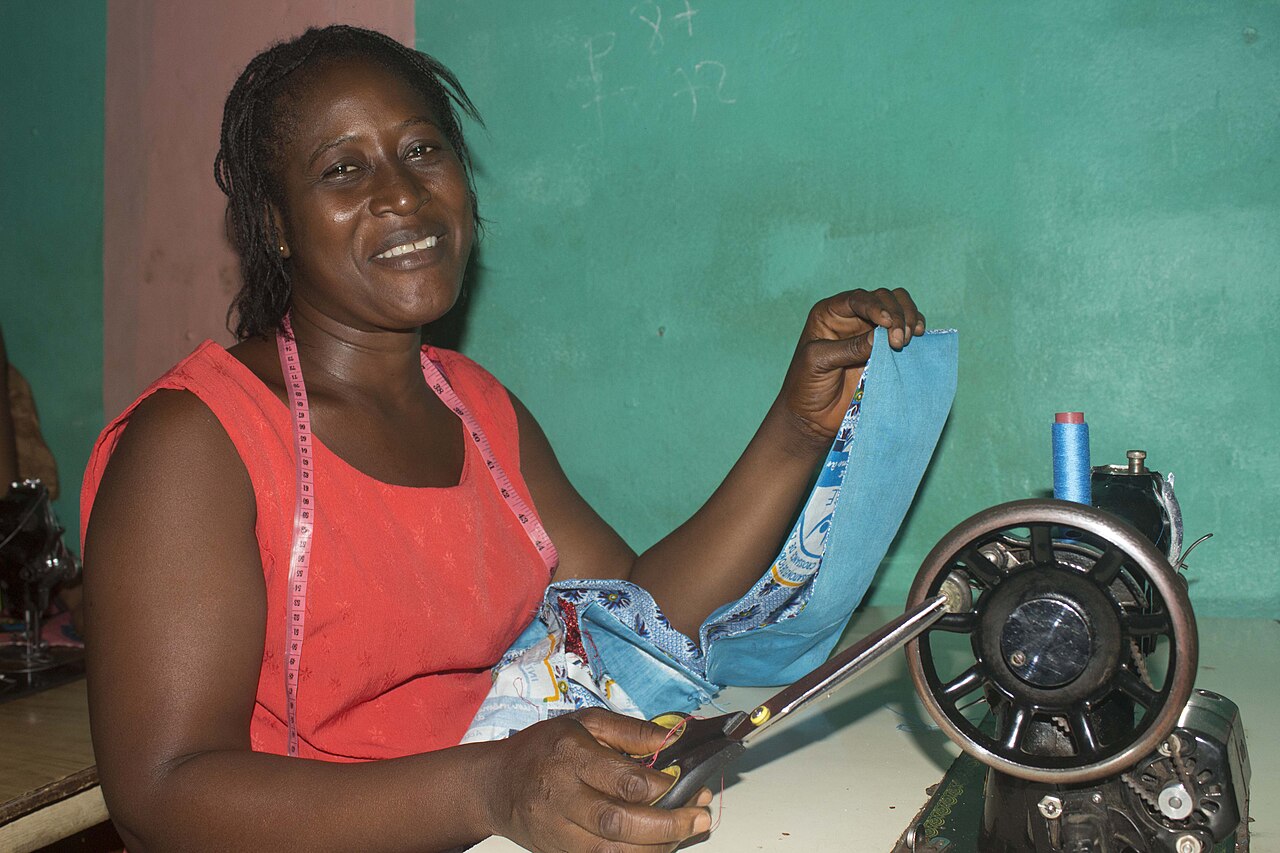
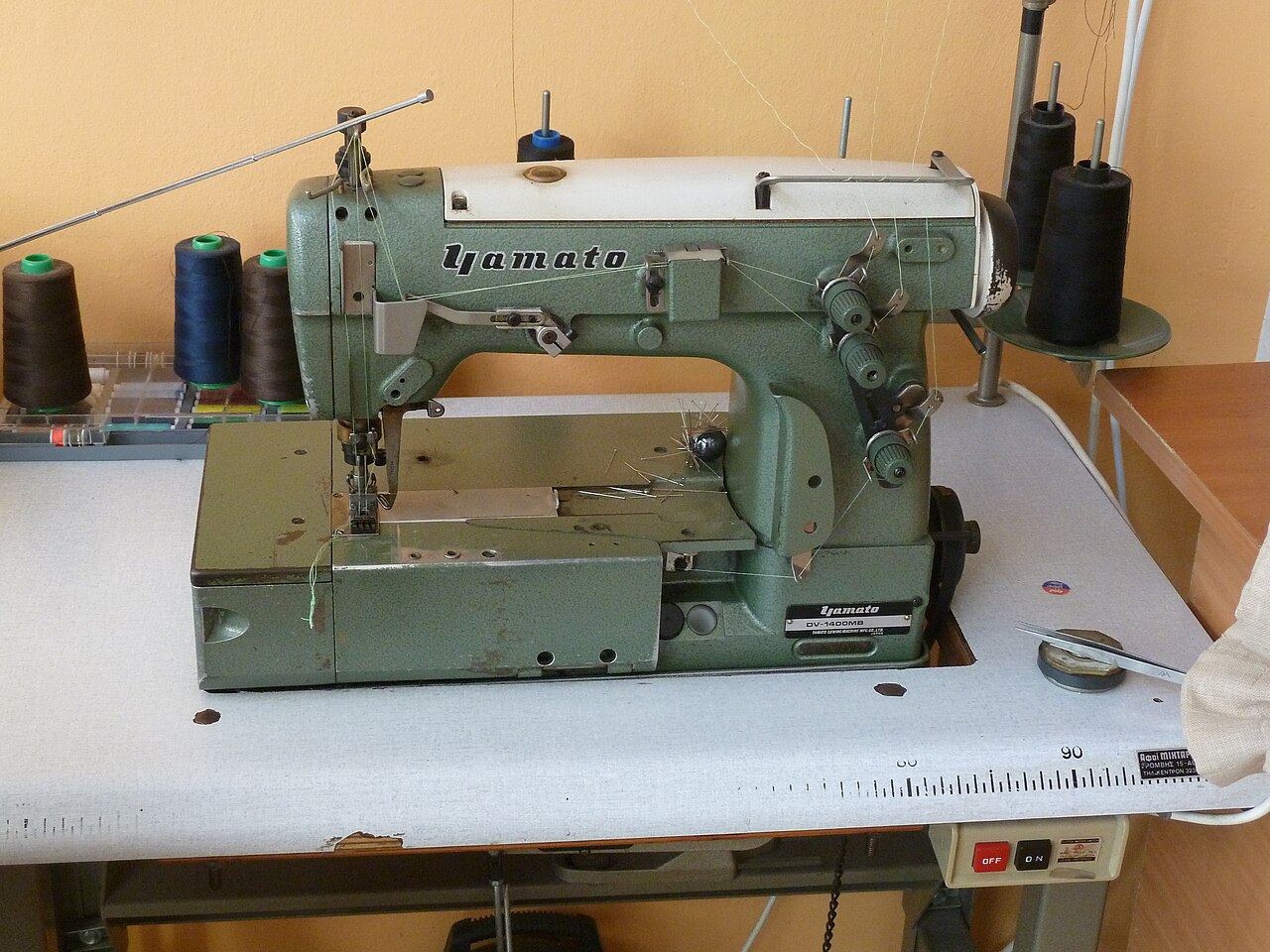
Photos in this guide are representative stock images.
← All guides from Lydia's Alterations← Back to Lydia's Alterations